“according to introduction” search results (6000)

Introduction to the Flavor and Taste of Costa Rica Coffee Manor; introduction to the planting environment of Fenghuang Manor
Other kinds of Brazilian coffee, such as Rio and Parana, can be produced in large quantities because they do not need too much care. Although the taste is rough, it is a kind of good and cheap coffee. It has its own standard because it is distributed all over the country and its solid quality varies. It has its own standard (NO.2~NO.8 according to the number of sundries, NO.13~NO.19 according to the size of beans, and six grades according to taste).
2016-08-04 Costa Rica Coffee Manor producing area Flavor palate introduction Fire Phoenix planting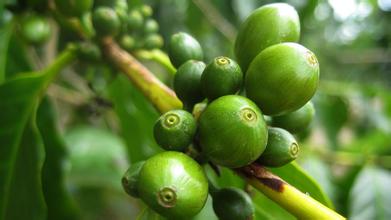
Introduction History of Yunnan Coffee, the Old varieties of Yunnan Coffee
Coffee originated in Ethiopia in north-central Africa. It was introduced into the Arabian Peninsula before the 15th century, introduced into Taiwan in 1884 and introduced into Hainan in 1908.
2016-03-31 Yunnan small grain old species variety coffee introduction history
Introduction to the knowledge of Italian Coffee companion
Introduction to the types of sugar for coffee white granulated sugar, also known as sucrose, is a granular crystal and is the basic raw material for sugar production. According to the size of the crystal, there are three kinds of sugar: coarse sand, medium sand and fine sand, all of which are made from sugar cane or sugar beet. It is characterized by high purity, low moisture and few impurities. The content of domestic granulated sugar is more than 99.45% and the moisture content is less than 0.12%, which is classified according to the standard.
2015-08-04 Coffee sugar type introduction Italian companion knowledge coffee
Introduction of Brazilian Coffee with mellow taste introduction to the treatment of Brazilian coffee
Brazilian coffee generally refers to coffee produced in Brazil. There are many kinds of coffee in Brazil. Like other Arabica coffee, Brazilian coffee is called Brazilian coffee Brazils to distinguish it from Milds coffee. The vast majority of Brazilian coffee is unwashed and sun-dried and is classified according to the name of the state of origin and port of transport. Brazil has 21 states and 17 states produce coffee, but among them
2016-07-11 Taste mellow Brazil coffee introduction treatment way method
History of Coffee planting early introduction and expansion of Coffee in China
1. The introduction of Ruili Jingpo Nongxian Coffee was recorded in 1914. In April 1996, it was compiled by the compilation Committee of Ruili City Chronicles of Yunnan Province. The fifth coffee section on page 383 of Ruili City Chronicles published by Sichuan Dictionary Publishing House recorded that as early as 1914, the Jingpo people have been introduced from Myanmar to Nongxian Township for cultivation. Yunnan Provincial Chronicles, Volume 39, Chapter 3 of the Local Series of the people's Republic of China
2014-10-14 Coffee knowledge coffee cultivation coffee in China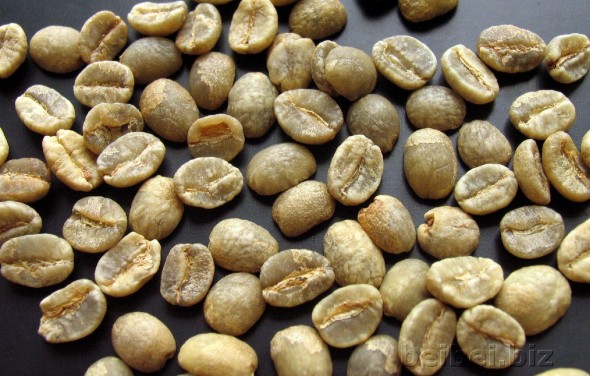
Introduction of world boutique coffee beans: Kenya coffee raw bean Kenya AA green bean
Introduction: Kenyan coffee is grown by small farmers. After they harvest the coffee, they first send the fresh coffee beans to a cooperative cleaning station, where they send the washed and dried coffee to the cooperative in the form of parchment beans, and then charge an average price for Kenyan coffee, raw beans, Kenya AA green bean coffee, according to their actual quality, into Kenya in the 19th century, when Ethiopia.
2015-12-17 World boutique coffee beans introduction Kenya coffee raw beans g
An introduction to the blending of coffee with different proportions and quantities.
In order to match more than two kinds of coffee beans in quantity and proportion to produce a more attractive coffee flavor, it is necessary to mix them. According to Fulaigao coffee experts, there are generally 2-6 kinds of coffee beans for coffee blending. 1:1 is not recommended when matching. Because, the same amount of different kinds of coffee mixed together, can not show its flavor at all, and put together
2016-06-21 Different proportion quantity collocation coffee blending introduction
Introduction of Brazilian Coffee Brand characteristics, Flavor description, Price, taste and Fine Coffee
Other kinds of Brazilian coffee, such as Rio and Parana, can be produced in large quantities because they do not need too much care. Although they taste rough, they can be regarded as a kind of good and cheap coffee. Because they are distributed all over Brazil and their solid quality varies, they have their own standards (NO.2~NO.8 according to the number of sundries, NO.13~NO.19 according to the size of beans, and six according to taste).
2016-10-11 Brazil coffee brand characteristics flavor description price taste boutique introduction
Introduction to Goddess Manor in Costa Rica Coffee Manor
Other kinds of Brazilian coffee, such as Rio and Parana, can be produced in large quantities because they do not need too much care. Although the taste is rough, it is a kind of good and cheap coffee. It has its own standard because it is distributed all over the country and its solid quality varies. It has its own standard (NO.2~NO.8 according to the number of sundries, NO.13~NO.19 according to the size of beans, and six grades according to taste).
2016-07-14 Costa Rica Coffee Manor producing area Flavor palate introduction Goddess others
Some coffee beans origin, characteristics and introduction
West (South America): One of the world's largest coffee producers and exporters, it can be called the "coffee continent." Almost all Arabica varieties are of good quality and stable prices, and have been a necessity for blended coffee since ancient times. Name Roasting degree Taste characteristics Brazilian coffee Moderately roasted mild, sour and bitter moderate, soft aroma especially
2014-09-04 Coffee Bean Origin Coffee Bean Characteristics
Introduction of varieties and planting areas of coffee beans
In addition to the classification according to the planting area, there is another classification of coffee plants, that is, coffee trees, or coffee varieties. According to plant classification, the number of varieties of coffee trees is very large, but there are only two main varieties commonly used for coffee; one is Arabian coffee, and the other is Robbas special coffee. The former tastes pure and tastes good, but the concentration
2016-06-13 Coffee beans varieties types introduction planting region except according to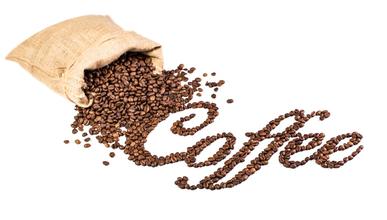
Introduction of high-quality coffee beans with flavor and taste in El Salvador coffee producing areas
Salvadoran coffee ranks side by side with Mexico and Guatemala as the producers of Asa and Merdo, and is fighting for the top one or two places in China and the United States with other countries. The highlands of origin are large coffee beans of all sizes, which are fragrant and mild in taste. Like Guatemala and Costa Rica, coffee in El Salvador is graded according to altitude. The higher the altitude, the better the coffee.
2016-09-21 El Salvador coffee variety producing area flavor taste boutique coffee beans introduction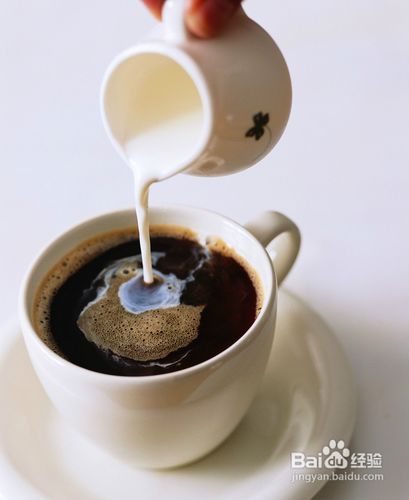
Introduction of blended coffee beans made according to the golden proportion
In addition to location, there are many other factors that affect the quality of coffee: planting methods, soil fertility, weather, especially rainfall and light, and exact latitude. The above factors combined with the treatment of raw coffee beans have created the diversity of coffee from different countries and regions in the world. But among the many coffee beans, Arabica is the most popular among coffee lovers.
2016-06-30 According to gold proportion collocation blending coffee beans introduction geographical location
El Salvador Himalayan Coffee Flavor description, Grinding characteristics, introduction to the taste of varieties
Coffee from El Salvador is a specialty of Central America, where it is light, fragrant, pure and slightly sour. Like Guatemala and Costa Rica, coffee in El Salvador is graded according to altitude, and the higher the altitude, the better the coffee. The best brand is Pipil, which is what the Azbec AztecMayan called coffee, and it has been acquired.
2016-10-12 El Salvador Himalayas coffee flavor description grinding characteristics variety taste
Introduction to the kinds of Coffee Sugar
White granulated sugar, also known as sucrose, is a granular crystal and is the basic raw material for sugar production. According to the size of the crystal, there are three kinds of sugar: coarse sand, medium sand and fine sand, all of which are made from sugar cane or sugar beet. It is characterized by high purity, low moisture and few impurities. The content of domestic granulated sugar is more than 99.45% and the moisture content is less than 0.12%. According to the standard, it is divided into three types: excellent grade, first grade and second grade.
2015-08-26 Coffee sugar type introduction white granulated sugar called sucrose granulated crystal
Introduction to the kinds of Coffee Sugar
White granulated sugar, also known as sucrose, is a granular crystal and is the basic raw material for sugar production. According to the size of the crystal, there are three kinds of sugar: coarse sand, medium sand and fine sand, all of which are made from sugar cane or sugar beet. It is characterized by high purity, low moisture and few impurities. The content of domestic granulated sugar is more than 99.45% and the moisture content is less than 0.12%. According to the standard, it is divided into three types: excellent grade, first grade and second grade.
2015-05-23 Coffee added sugar type with sugar introduction white granulated sugar called sucrose granulated
Description of Flavor of Brazilian Coffee with mild Flavor introduction to Variety Price of Grinding method
Other kinds of Brazilian coffee, such as Rio and Parana, can be produced in large quantities because they do not need too much care. Although they taste rough, they can be regarded as a kind of good and cheap coffee. Because they are distributed all over Brazil and their solid quality varies, they have their own standards (NO.2~NO.8 according to the number of sundries, NO.13~NO.19 according to the size of beans, and six according to taste).
2016-10-13 Aroma soft Brazilian coffee flavor description grinding processing variety price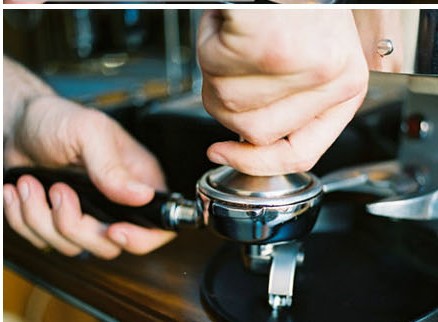
Introduction to the course of making espresso: a detailed introduction to the strength of pressing powder made by Espresso
Powder pressing is a very important step in the manufacturing process of Espresso. We have already talked about the importance and requirements of pressing powder. So is the use of pressing powder as strong as possible? What does the power of powder pressing have to do with it? Theoretically speaking, with the difference of the thickness of the coffee powder, that is, the grinding degree of the coffee powder, the force of the pressing powder should be adjusted accordingly. The coarser the coffee powder is ground
2015-12-18 Italian style Coffee making tutorial introduction Espresso making pressing Powder Force
Introduction to the grindability and the ratio of water to powder of high-quality coffee beans
What is boutique coffee: extract coffee with appropriate concentration, and reflect its unique aroma and taste according to the altitude, origin and variety of coffee. Good coffee is very rare. We often complain that the Italian coffee machine has a hard effect on the taste when extracting coffee, but in fact, all coffee making utensils have more or less defects, so in a sense.
2016-01-14 Boutique coffee production what coffee beans grinding gouache introduction boutique
History of introduction and expansion of Coffee in early China (1)
1. The introduction of Ruili Jingpo Nongxian Coffee was recorded in 1914. In April 1996, it was compiled by the compilation Committee of Ruili City Chronicles of Yunnan Province. The fifth coffee section on page 383 of Ruili City Chronicles published by Sichuan Dictionary Publishing House recorded that as early as 1914, the Jingpo people have been introduced from Myanmar to Nongxian Township for cultivation. Yunnan Provincial Chronicles, Volume 39, Chapter 3 of the Local Series of the people's Republic of China
2015-04-28 Early China coffee introduction expansion about Ruili Jingpeng